


A tax refund is your own money being returned after an interest free loan to the government. Treating it as a bonus leads to predictable decisions.
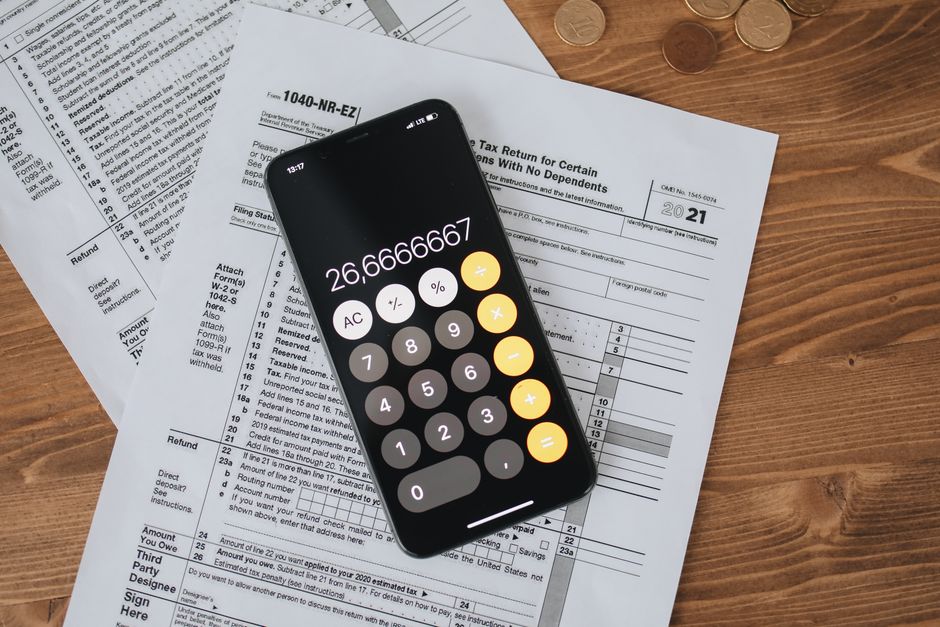
Where a Refund Comes From
Tax is withheld from pay based on an estimate of your annual liability. When the estimate is too high, you overpay through the year and receive the excess back afterward. A large refund therefore indicates a large overpayment, which means a smaller amount available in each paycheck for twelve months. The effect is a cash flow transfer rather than a gain. Someone receiving a substantial annual refund had less money available each month than they were entitled to, and in a year with any borrowing that gap has a real cost. Paying credit card interest while awaiting a refund means borrowing at a high rate against money you had already earned.
The opposite position, owing tax at the end of the year, means you held the money for longer and must now pay it. This is cash flow favorable provided the amount has been set aside, and a problem if it has not. Neither position is better in principle, and the choice between them is about which you can manage.
Refunds also arise for other reasons, including deductions claimed after the fact, overpaid tax on investment income, and corrections to incorrect tax codes. Those are genuine recoveries rather than the result of over withholding, and they are worth claiming promptly.
Adjusting the Withholding
Where a refund results from over withholding, it can usually be reduced by updating the information your employer or tax authority holds. The mechanism varies by market and typically involves submitting a form or updating an online account with details of allowances, dependents or expected deductions. The result is a larger regular paycheck and a smaller or no refund. For someone carrying debt, this is a clear improvement, because the money arrives in time to reduce interest rather than twelve months later. For someone who finds saving difficult, the forced saving of a refund has genuine behavioral value even though it is financially inefficient.
Review the withholding after any significant change. Marriage, a new child, a second job, a change in income, buying a property or starting to claim a deduction all affect the calculation. An unchanged tax code after a change in circumstances is the most common cause of both unexpected refunds and unexpected bills.
Check the code itself rather than assuming it is right. Incorrect tax codes are common, particularly after a job change or where multiple sources of income exist, and the error can run for years before anyone notices.
What to Do With the Money
Because a refund arrives as a single sum, it is the easiest money to deploy against a large obligation. The order that produces the best outcome is the same as for any lump sum. High interest debt first, then any missing emergency buffer, then longer term goals. A refund applied to a credit card balance returns the card interest rate, which exceeds any available savings rate by a wide margin. That is the highest certain return available to most households and it requires no decision beyond making the payment.
Where there is no high interest debt and no buffer, the refund is the fastest way to establish a starter emergency fund. Several hundred arriving at once builds in one step what would otherwise take months of transfers, and it removes the vulnerability that causes most debt cycles.
Beyond that, the refund can fund an annual cost that would otherwise be a shock, such as insurance paid annually rather than monthly, which is usually cheaper. Using a lump sum to convert monthly payments into an annual one captures a discount and removes a recurring obligation.
The Spending Trap
Refunds are spent at higher rates than equivalent amounts of regular income, which is well documented and entirely understandable. A single arrival of several hundred or several thousand feels different from the same amount spread across twelve paychecks, and it is treated differently even by people who know better. The practical defense is to decide the allocation before the money arrives. A refund with a plan is deployed. A refund without one is absorbed, usually across a few weeks of slightly elevated spending that leaves nothing identifiable behind. Writing down the allocation in advance costs nothing and changes the outcome substantially.
Allocating a portion to something enjoyable is sensible rather than indulgent, because a plan that allows nothing tends to be abandoned entirely. A specific small share, decided in advance, satisfies the impulse without consuming the whole amount.
Be wary of commercial products timed to refund season, including refund advance loans, which lend against an expected refund at a cost. These are expensive relative to the few weeks of waiting they replace, and the fee is charged on money that was already yours.
Making Sure You Claim What You Are Owed
Unclaimed deductions and allowances are a common reason people receive less than they should, and most of them require an active claim rather than arriving automatically. Work related expenses, professional subscriptions, charitable giving, pension contributions made from taxed income and allowances related to marriage or dependents all vary by market and all require action. Where a claim can be backdated, which is common for several years in many systems, a single review can produce a substantial recovery. This is the one situation where a refund genuinely is found money rather than returned money, and it is worth an hour of reading the relevant guidance.
Keep records through the year rather than reconstructing them afterward. A folder for receipts relating to anything potentially deductible takes no effort and makes the annual claim straightforward, which is the difference between claiming and intending to.
Where circumstances are complex, including self employment, property income or investments across borders, professional advice frequently pays for itself. The threshold is lower than people assume, and the cost of a single missed treatment can exceed several years of fees.