


Insurance price comparison is straightforward and insurance cover comparison is not. Four terms determine whether a cheaper policy is actually cheaper.
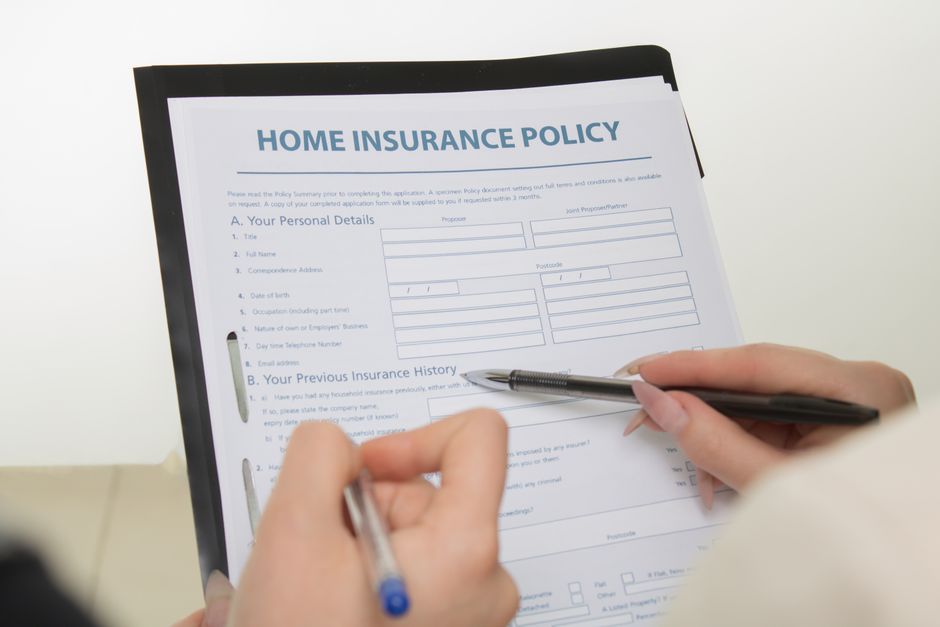
The Excess Is the First Number to Find
The excess, or deductible, is what you pay on each claim before the insurer contributes. A policy with a low premium and a high excess has transferred risk back to you, and the comparison is only meaningful once both figures are considered together. A difference of several hundred in excess easily outweighs a modest difference in premium. Check for separate excesses on specific claim types, which are common and easy to miss. Home policies frequently carry a higher excess for water damage or subsidence. Motor policies may apply a different figure for windscreen claims or for young drivers. The headline excess is sometimes the lowest of several.
Voluntary excess is the portion you choose, and raising it reduces the premium. This is a reasonable trade if you can comfortably cover the higher amount, and a poor one if a claim would then be unaffordable. The purpose of insurance is to cover what you cannot absorb, which means an excess above your available savings defeats the point.
Compare the total exposure rather than the premium alone. Premium plus excess gives you the cost of a single claim year, which is the figure that matters when deciding between two quotes.
Read the Exclusions and Limits
Exclusions define what the policy does not cover, and this is where otherwise identical quotes diverge most. Common exclusions include wear and tear, gradual damage, pre existing conditions, specific causes like flood or escape of water, and anything arising from a stated activity. Inner limits are the quieter version of the same thing. A home contents policy with a generous overall sum insured may cap individual items at a low figure, cap jewelry or electronics as a category, and limit cover for items taken outside the home. For anyone owning a few valuable items, those caps determine whether the policy is suitable regardless of the headline sum.
Check the conditions attached to cover as well. Many home policies require specific locks, limit cover when the property is unoccupied beyond a stated period, and exclude claims where a stated maintenance obligation was not met. These are enforceable and they are the most common reason a claim is reduced or declined.
For travel and health cover, declared conditions and activities are the equivalent. Failing to declare something that later relates to a claim usually voids that claim, and the disclosure requirement is broad.
Claims Handling Is Part of the Product
A policy is only as good as the claims process, and that is difficult to see in a quote. Published claims acceptance rates, independent service ratings and complaints data are available in many markets and are more informative than any marketing material. An insurer paying a high proportion of claims promptly is offering something materially better. Look at how claims are handled practically. Whether there is a twenty four hour line, whether repairs are arranged by the insurer through an approved network, and whether you can choose your own repairer. Insurer managed repairs are usually faster and sometimes carry a guarantee, while choosing your own gives control and may cost more.
Check what happens during a claim. Alternative accommodation on a home policy, a courtesy car on a motor policy, and emergency assistance on travel cover are all significant in practice and vary between apparently similar products. A cheaper policy without a courtesy car is not comparable for someone who needs to drive to work.
Also check whether cover continues while a claim is open and how the renewal is affected. A claim normally increases the following premium, and the size of that increase is part of the real cost.
Who Underwrites It and Who Sells It
Many policies are sold under one brand and underwritten by another insurer, and the underwriter determines the terms and handles claims. Knowing who it is tells you more than the brand, and it occasionally reveals that two quotes you were comparing are the same product sold twice. Intermediary fees and administration charges sit on top of the premium and are frequently disclosed in the documents rather than the quote. Cancellation fees, mid term adjustment fees and renewal administration charges all add to the real cost and vary considerably between sellers of identical cover.
Check whether add ons are included or optional, and whether you need them. Legal expenses cover, breakdown assistance and home emergency cover are commonly bundled and commonly duplicated elsewhere, including through bank accounts and credit cards. Paying twice for the same cover is routine and avoidable.
Confirm the regulatory status of the seller and the insurer, particularly for cover purchased online from unfamiliar brands. Compensation arrangements for insurer failure exist in most regulated markets and apply to authorized firms only.
Reviewing It Annually
Renewal quotes are frequently above the price available to a new customer for the same policy, which makes allowing automatic renewal the most expensive choice in this category. Obtaining fresh quotes each year, including from your current insurer, routinely produces a reduction for identical cover. Use the renewal as a point to reassess cover rather than only price. Contents values change, vehicles depreciate, and circumstances like working from home or an extension to a property affect what is appropriate. A policy correct three years ago may be both over and under insured in different respects.
Keep the policy documents somewhere findable along with a record of what you declared. Claims are assessed against the information given at inception, and being able to show what was declared resolves most disputes about disclosure.
Finally, resist judging insurance only on price. It is the one purchase where the product is a promise to perform at a bad moment, and the difference between a policy that pays promptly and one that resists is worth considerably more than the premium difference between them.